
Dcoop calculates the product carbon footprint of its olive oil to advance its decarbonisation strategy
Back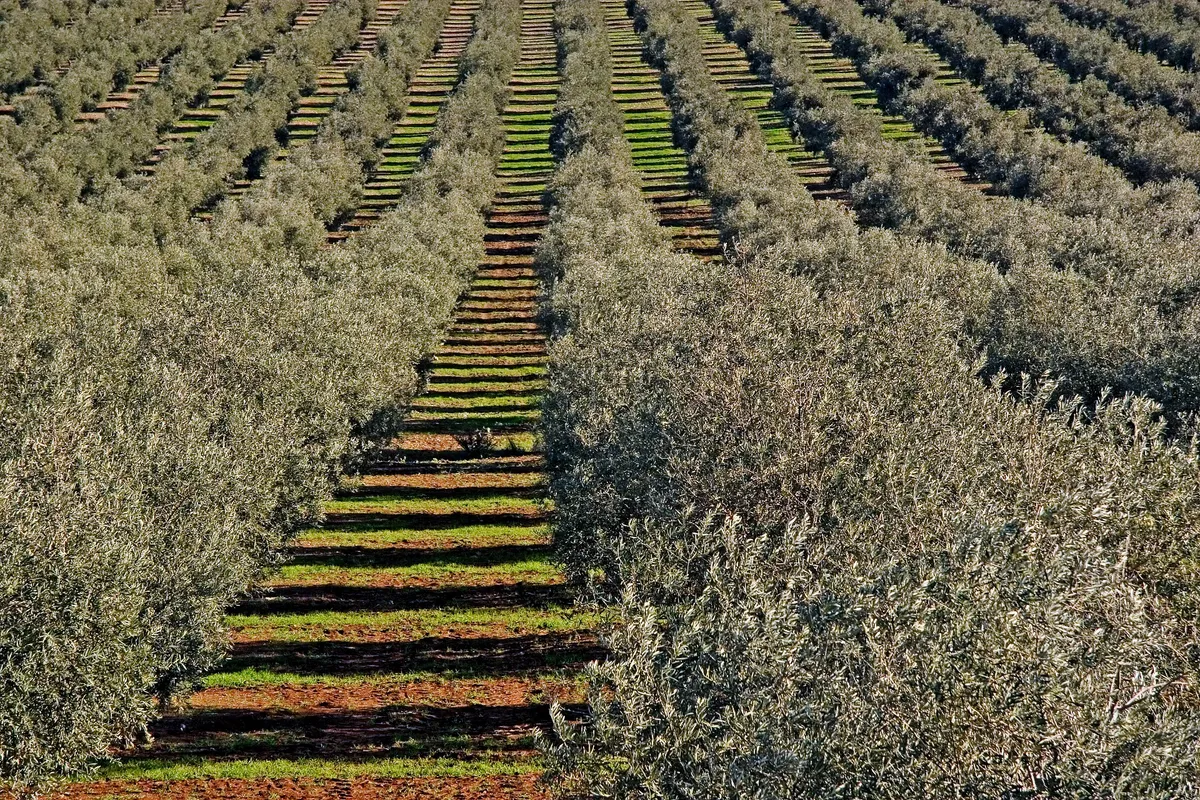
Dcoop has calculated the carbon footprint of its olive oil using approved and recognised scientific evidence, which will enable it to make progress with its decarbonisation plan.
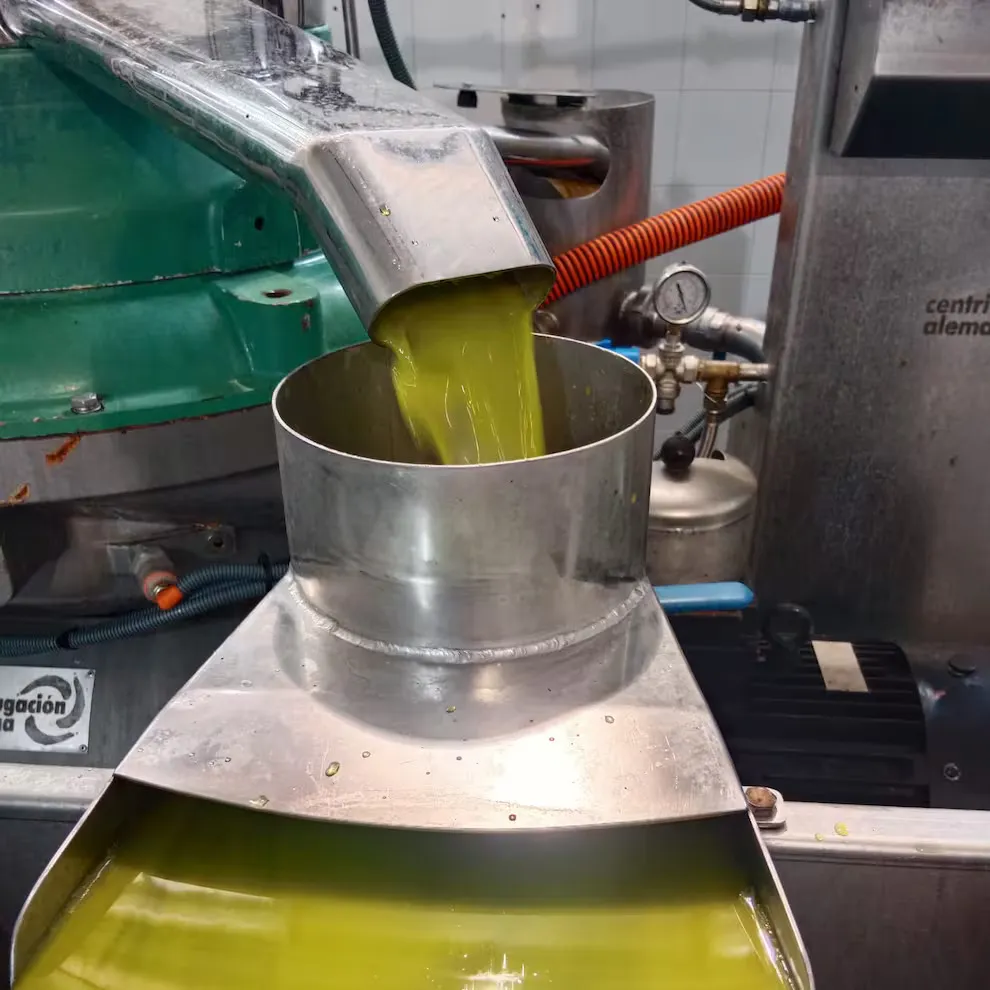
Dcoop has taken a further step in its sustainability strategy by calculating the product carbon footprint of its olive oil using a Life Cycle Assessment (LCA) approach, covering everything from the production of agricultural inputs and the cultivation of the olive groves to the oil leaving the mill. The study, carried out using primary data from Dcoop and based on the UNE-EN ISO 14067:2019 standard, provides a specific and representative emission factor for the organisation’s olive oil production and improves the accuracy of its corporate emissions inventory.
The study combines two independent samples: 518 farms to characterise the agricultural phase and 96 oil mills to characterise the extraction phase, from olive cultivation to the production of one kilogram of oil at the mill. This provides a dedicated emission factor, based primarily on primary data from Dcoop, which will replace the literature-based factor previously used in the corporate inventory.
The field results have been extrapolated on the basis of the estimated distribution of the eight types of olive grove found across the approximately 400,000 hectares of olive groves associated with Dcoop.
These calculations will be applied from now on to the Group’s sustainability strategies and to various future initiatives and opportunities.
The study concludes that 97% of CO₂e per kilogram of olive oil is emitted during the agricultural phase and 3% during the milling phase. This data provides Dcoop with a quantitative basis for identifying and prioritising decarbonisation measures associated with olive oil production, particularly during the agricultural phase.
Dcoop’s decarbonisation plan
The results obtained will enable the cooperative to improve the accuracy of Dcoop’s corporate emissions inventory by replacing the bibliographic factor used to date with a specific factor based on the organisation’s primary data. Furthermore, they provide information to identify the main sources of emissions associated with olive oil production and to guide future reduction measures.
The report concludes that 97% of emissions stem from the agricultural phase of oil production, mainly from fertilisers and inputs, N₂O emissions associated with nitrogen, machinery fuel, and electricity – particularly for irrigation and the management of pruning waste in certain types of cultivation.
Further information
Dcoop is a cooperative group with over 200 member organisations, mainly in southern Spain, representing 75,000 farming and livestock-rearing families. It operates in sectors such as olive oil, wine, table olives, oranges, almonds, goat’s milk, pork and beef, cereals and pistachios. The Group recorded a turnover of 1,421 million euros in 2025.
Dcoop currently holds SG (Sustainably Grown) certification – the first olive oil company in Europe to obtain it – as well as Equalitas, Zero Waste and Smetha certifications, in addition to IFS, various ISO standards, BRC, JAS and SAE. Furthermore, it has been a signatory to the United Nations Global Compact for the Sustainable Development Goals for many years.
A product’s carbon footprint can be understood as the total emissions and, where applicable, removals of greenhouse gases (GHGs), expressed as CO₂ equivalent, that occur throughout a product’s entire life cycle. Life cycle assessment (LCA) is used for this purpose.
This study has been carried out in accordance with the standards UNE-EN ISO 14067:2019, UNE-EN ISO 14040:2006 and UNE-EN ISO 14044:2006, as well as the GHG Protocol Product Life Cycle Accounting and Reporting Standard.
Share: